
Smart Metering Terminals are entering a decisive era of transformation. As global deployment accelerates, the total number of installed terminals is approaching the billion-unit milestone. This shift represents far more than a quantitative expansion. Instead, it marks a structural upgrade in how water, electricity, and gas systems are managed, monitored, and optimized across cities and regions worldwide.
At this historic turning point, Smart Metering Terminals are evolving from simple measuring devices into core digital nodes of modern infrastructure. Meanwhile, Chinese enterprises are emerging as key contributors to this global transformation, supported by strong engineering capabilities, integrated supply chains, and long-term system-level thinking.
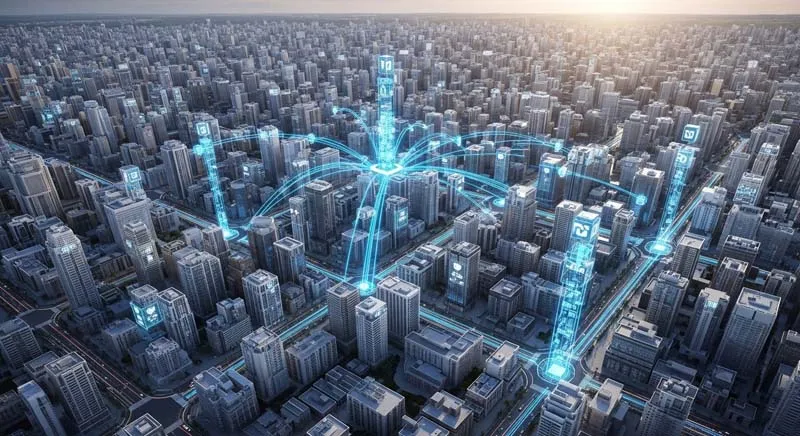
From Measurement Devices to Digital Infrastructure Nodes
Traditionally, metering equipment focused on basic consumption recording. However, with the rise of digital cities and smart energy systems, Smart Metering Terminals now serve a much broader role. They collect real-time data, transmit information remotely, support operational analysis, and enable proactive system management.
More importantly, these terminals now connect end users with centralized platforms. As a result, utilities can monitor system health, detect anomalies early, and improve service efficiency. Therefore, Smart Metering Terminals have become indispensable components of modern urban infrastructure rather than isolated hardware products.
Key Drivers Behind the Billion-Unit Expansion
Several forces jointly drive the rapid growth of Smart Metering Terminals worldwide.
First, energy and resource management increasingly demands precision. Governments and utilities now focus on loss reduction, efficiency improvement, and safety assurance. Consequently, traditional manual meter reading can no longer meet operational requirements.
Second, digital transformation policies strongly support intelligent infrastructure. In many regions, smart coverage rates have become part of regulatory evaluation systems. As a result, utilities actively accelerate the deployment of Smart Metering Terminals to meet compliance and performance goals.
In addition, advances in low-power communication technologies significantly reduce deployment and maintenance costs. Therefore, large-scale rollout has become both technically feasible and economically viable.
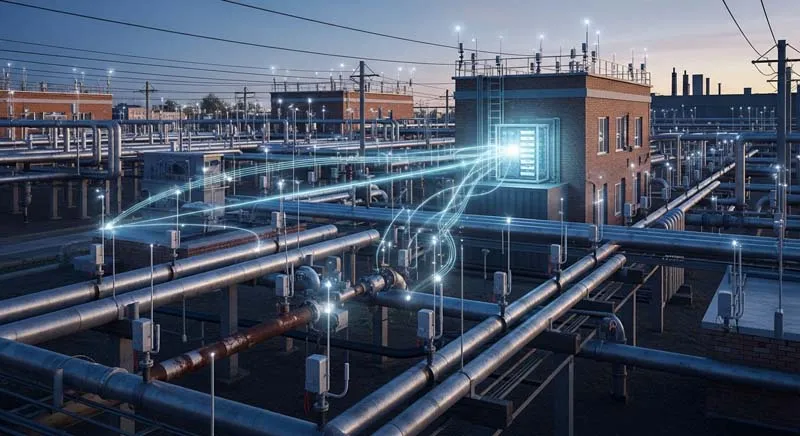
Smart Gas Metering Leads Industry Maturity
Among all application segments, smart gas metering reached large-scale maturity first. This trend did not occur by chance. Gas systems involve high safety risks, which require continuous monitoring and fast response capabilities. Consequently, Smart Metering Terminals gained early adoption in gas networks.
At present, industry concentration continues to increase. Leading smart gas meter manufacturers already hold approximately 22% market share. This development reflects not only technological leadership but also strong project execution and service reliability.
Meanwhile, as standards stabilize and customer confidence grows, the smart gas sector sets a clear reference model for other metering applications.
Expanding from Gas to Water and Beyond
While gas metering leads in maturity, water metering is now entering a critical acceleration phase. Historically, water systems faced challenges such as complex pipelines and long replacement cycles. However, leakage control, district metering, and data-driven management have become urgent priorities.
As a result, utilities increasingly adopt Smart Metering Terminals in water networks. Notably, companies with strong gas metering experience can efficiently extend solutions into water systems. Communication modules, data platforms, and system architectures often remain highly reusable.
Therefore, multi-utility integration gradually becomes the new development direction, enabling unified management of gas, water, electricity, and heating systems.
Automatic Meter Reading Unlocks Structural Market Growth
From a market perspective, Smart Metering Terminals benefit from both replacement demand and new construction demand.
On one hand, a massive installed base of traditional mechanical meters approaches the end of its service life. Urban renewal projects and infrastructure upgrades create concentrated replacement windows.
On the other hand, new urban developments, industrial parks, and smart communities increasingly require digital-ready metering systems from the start. In addition, emerging markets continue to invest heavily in basic utility infrastructure, creating long-term overseas growth opportunities.
Together, these factors form a stable and sustainable demand structure.
Core Competitive Advantages of Chinese Enterprises
The rise of Chinese companies in the Smart Metering Terminals industry relies on several structural strengths.
First, China offers a complete and highly coordinated industrial chain. From sensors and communication modules to complete terminals and management platforms, integration efficiency remains exceptionally high.
Second, engineering execution capabilities stand out. Chinese enterprises excel at adapting products to complex environments, large-scale deployments, and diverse regulatory requirements.
Most importantly, many companies now move beyond hardware supply. They provide integrated solutions that combine devices, systems, platforms, and long-term services. As a result, Smart Metering Terminals increasingly serve as entry points to broader digital utility ecosystems.
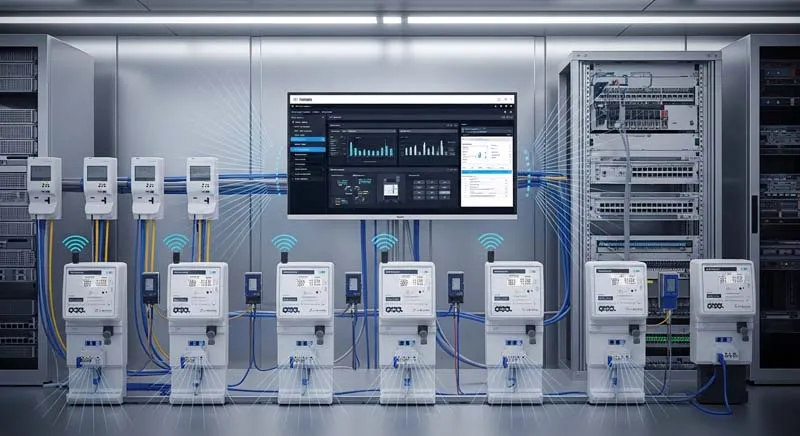
A Reliable Industry Participant: HUAXIYI
Within this evolving landscape, Shenzhen HUAXIYI Digital Technology Co., Ltd. has long focused on intelligent metering and smart energy solutions. The company specializes in remote meter reading systems for water, electricity, and gas, as well as industrial automation, building intelligence, and communication systems.
HUAXIYI possesses mature capabilities to upgrade traditional meters into multi-signal Smart Metering Terminals. Accordingly, it delivers integrated solutions covering equipment, systems, and engineering implementation for utilities, real estate groups, and urban operators.
Over the past fifteen years, HUAXIYI has consistently adhered to technology-driven development and engineering-standard execution. Through long-term cooperation with energy authorities and leading property developers, the company continues to support the intelligent upgrade of public utility systems.
Looking Ahead: Value Beyond Scale
As Smart Metering Terminals cross the billion-unit threshold, competition will gradually shift from scale expansion to value creation. Data utilization, AI-assisted analysis, and edge intelligence will define the next stage of industry evolution.
In this context, sustainable success depends on reliability, long-term service capability, and trust. Ultimately, the true value of Smart Metering Terminals lies not only in accurate measurement, but also in enabling smarter cities, safer systems, and more efficient resource management.
Technology builds systems, but responsibility builds the future.