
Smart Metering has become a cornerstone of modern energy infrastructure. What once served as a basic measurement tool is now evolving into a critical data gateway for intelligent energy management. As cities, utilities, and industries pursue higher efficiency and sustainability, smart metering systems are redefining how energy is monitored, managed, and optimized.
Driven by China’s dual-carbon goals, rapid urban digitalization, and the maturity of low-power communication technologies, the smart metering market continues to expand steadily through 2024 and 2025. More importantly, this growth reflects a structural upgrade rather than simple volume expansion.
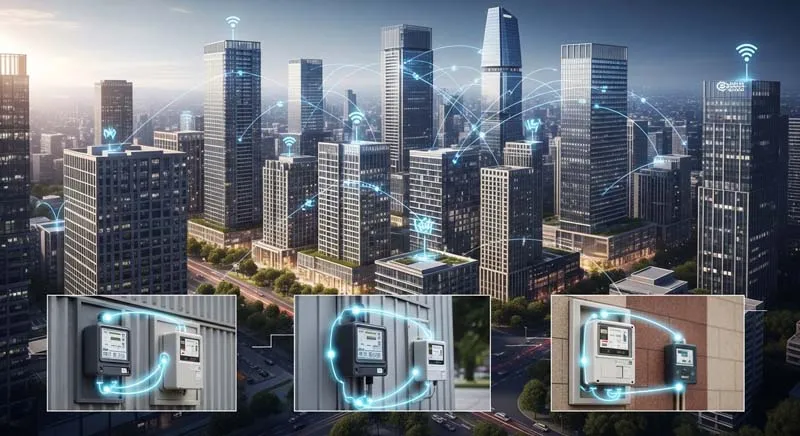
The Evolution of Smart Metering: Beyond Measurement
Traditionally, meters focused solely on accuracy and reliability. However, as energy systems grow more complex, static data is no longer sufficient. Today, It integrates sensing, communication, and control functions, transforming meters into intelligent edge devices.
As a result, meters now serve as the closest data source to actual energy consumption. This shift enables real-time visibility and lays the foundation for data-driven energy governance. Consequently, smart metering has moved from the periphery to the core of intelligent energy systems.
Why China Leads the Global Smart Metering Market
China represents the world’s largest and most mature smart metering market. Although penetration rates are already high, demand continues to rise for several structural reasons.
First, a large installed base of early electronic meters is entering a replacement cycle. Meanwhile, urban renewal, smart parks, and industrial upgrades are creating new deployment scenarios. Therefore, It remains essential to both incremental growth and stock renewal.
Moreover, national strategies emphasize refined energy management. The dual-carbon roadmap requires energy usage to be measurable, traceable, and optimizable. Under this framework, smart metering becomes a foundational infrastructure rather than an optional upgrade.
Communication Technology as a Catalyst
The large-scale adoption of it would not be possible without advances in communication technology. In recent years, NB-IoT and LoRa have emerged as mainstream solutions.
These technologies provide wide coverage, low power consumption, and long service life. As a result, utilities can deploy meters across dense cities and remote areas with reduced operating costs. In contrast to legacy wired or cellular solutions, low-power wide-area networks offer superior scalability and stability.
Consequently, smart meters are now designed as long-term system nodes rather than isolated hardware products.
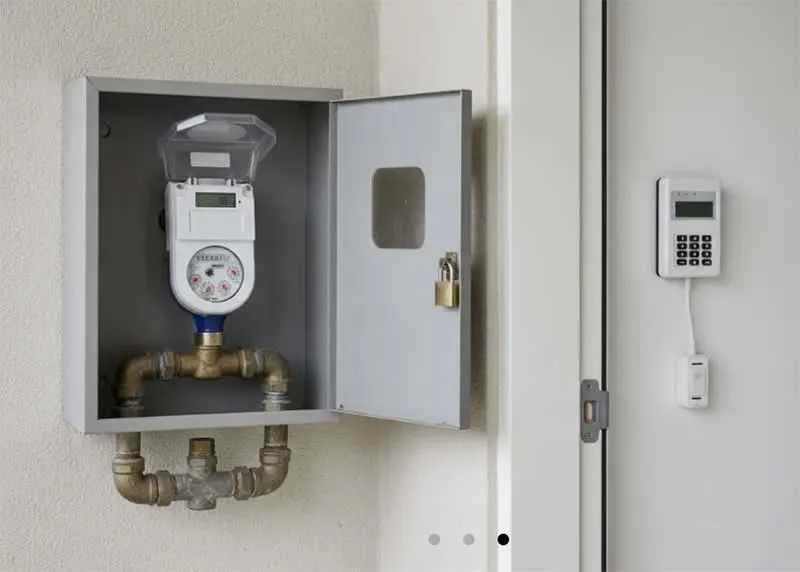
From AMR to AMI: System Capability Upgrades
Remote meter reading systems have undergone a clear evolution. Early AMR systems focused on replacing manual reading to improve efficiency. However, data flow remained largely one-way.
With the adoption of AMI architectures, It supports two-way communication. Meters can now upload data continuously while receiving control instructions. Therefore, utilities gain the ability to monitor, analyze, and intervene in real time.
This transformation turns smart meters into active participants in energy system operations rather than passive recorders.
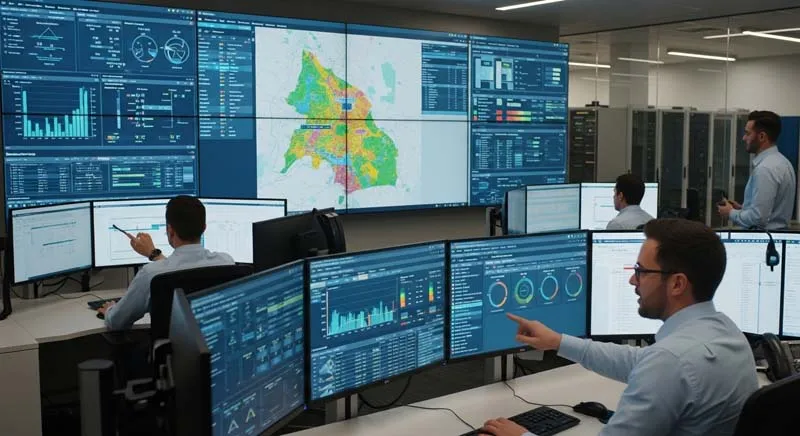
Functional Expansion and Practical Value
As system integration deepens, the functional scope of Smart Metering continues to expand.
Real-time monitoring provides transparent energy visibility. Meanwhile, abnormal consumption analysis and leakage detection enhance safety and loss control. In addition, remote valve control enables proactive management during emergencies or billing exceptions.
Together, these functions shift meters from reactive tools to proactive management instruments. Thus, smart metering supports both operational efficiency and risk mitigation.
Smart Metering as the Foundation of Intelligent Energy Systems
Intelligent energy systems rely on accurate and continuous data. Without reliable field-level information, advanced analytics and AI-driven optimization remain theoretical.
Smart Metering delivers this essential data foundation. Whether supporting multi-energy coordination, regional energy optimization, or user-side energy services, meters act as the first data entry point.
In other words, whoever controls the metering layer controls the starting point of energy digitalization.
Industry Competition Enters a Quality-Driven Stage
As the market matures, competition increasingly centers on system compatibility, engineering capability, and long-term service quality. Hardware alone no longer defines competitiveness.
Instead, Smart Metering solutions must integrate seamlessly with platforms, communication networks, and operational workflows. Therefore, suppliers with deep system understanding and engineering experience gain long-term advantages.
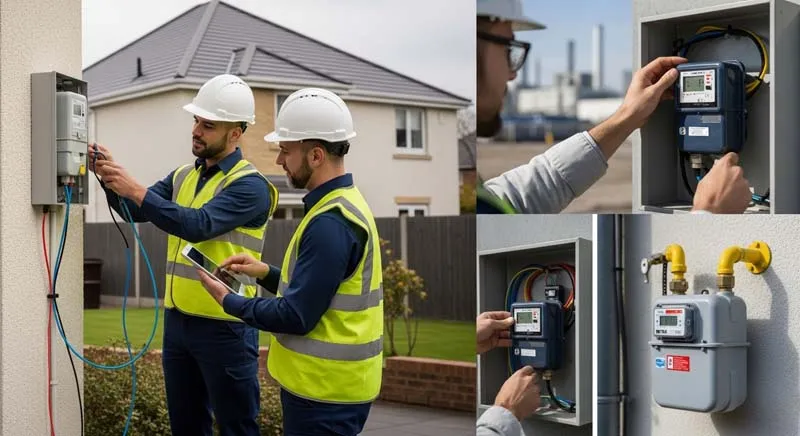
HUAXIYI: A Long-Term Practitioner in Smart Metering and Intelligent Energy
Within this evolving landscape, Shenzhen HUAXIYI Digital Technology Co., Ltd. has remained focused on smart metering and intelligent energy systems for water, electricity, and gas.
The company specializes in remote meter reading systems, industrial automation, building intelligence, and communication solutions. Moreover, HUAXIYI possesses mature capabilities to upgrade traditional meters into multi-signal output smart meters. This enables integrated delivery covering devices, systems, and engineering execution.
For over fifteen years, HUAXIYI has upheld technological innovation and engineering standards as its foundation. Through long-term cooperation with energy authorities and leading real estate groups, the company continues to support the intelligent upgrade of urban public utilities.
Rooted in Guangdong and serving nationwide markets, HUAXIYI steadily expands toward global opportunities with reliability and professionalism.
Smart Metering is no longer about recording the past. Instead, it empowers the future of intelligent energy systems.
When data becomes real, continuous, and actionable, every improvement in energy efficiency gains a solid foundation.