
Smart Gas Meter technology is no longer only about remote meter reading. Today, it stands at the center of urban energy digitalization, service efficiency, and infrastructure security. In February 2026, China Telecom, China Telecom Quantum Group, and Goldcard Smart released the nation’s first quantum-secure gas solution. This solution integrates quantum security capabilities into the NB-IoT communication chain of gas meters. It also entered pilot deployment in Guangzhou across commercial and industrial users as well as key residential communities.
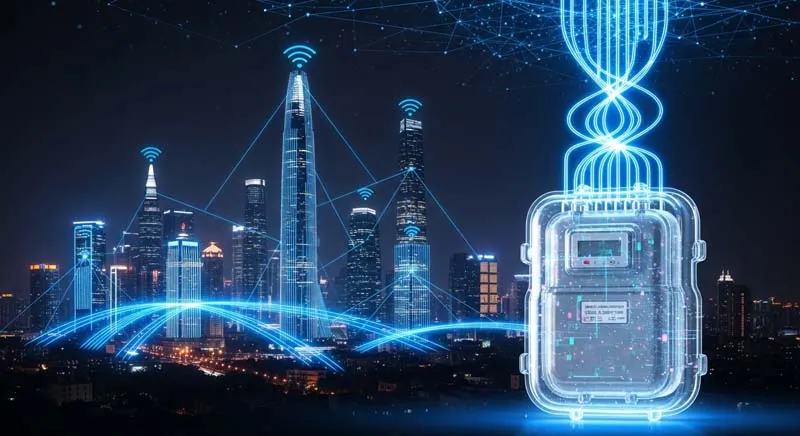
This pilot matters because it marks a clear shift in industry priorities. In the past, utilities mainly focused on connectivity, cost reduction, and automated billing. However, the new stage of development demands something more important. A Smart Gas Meter must not only connect data. It must also protect data, verify identity, and support trusted decision-making.
Why the Guangzhou Pilot Deserves Industry Attention
Guangzhou is not a small experimental market. Instead, it is one of China’s most mature large-scale smart gas application cities. The city has already deployed about 2.4 million smart gas meters, and its smart coverage rate has reached 92%. Therefore, Guangzhou offers a real urban environment for testing security, stability, and operational value at scale.
This point is critical. A pilot in a limited or low-load environment can only prove technical feasibility. By contrast, a pilot in Guangzhou can test network resilience, terminal performance, system coordination, and operational response under real pressure. As a result, the project carries far more weight for the gas industry, smart utility platforms, and city operators nationwide.
Moreover, Guangzhou already has a strong foundation in smart gas management. Its digital infrastructure, utility service capability, and large user base create the right conditions for deeper system upgrades. Therefore, the city is not testing whether smart deployment works. It is testing how a Smart Gas Meter evolves from a connected terminal into a trusted infrastructure node.
Why a Smart Gas Meter Must Be Intelligent and Trustworthy
For many years, utilities viewed the smart meter as a tool for remote reading. It reduced manual labor, lowered operating costs, and improved billing accuracy. That stage brought major gains. Yet the role of the meter has changed.
Today, a Smart Gas Meter uploads far more than consumption data. It can also transmit valve status, abnormal flow patterns, service alarms, fault signals, and network health information. Therefore, the meter now supports dispatch decisions, risk analysis, customer service, and safety management.
This change raises a new challenge. If someone tampers with data in transit, forges device identity, or launches a man-in-the-middle attack, the impact goes beyond billing errors. It can distort operational judgment, delay warning response, and weaken system trust. In serious cases, it may even affect public safety management. For that reason, a Smart Gas Meter must deliver both digital efficiency and communication integrity.
In other words, connectivity alone is no longer enough. Utilities now need data they can trust, signals they can verify, and systems that resist interference. Therefore, the future of the Smart Gas Meter depends on trusted communication as much as on smart functionality.
What Quantum Security and NB-IoT Change
NB-IoT has already proven its value in utility deployment. It offers wide coverage, low power consumption, strong penetration, and cost-effective networking. Because of these strengths, it fits gas metering very well. A Smart Gas Meter can stay online for long periods, operate in dense urban environments, and support remote reading across scattered sites.
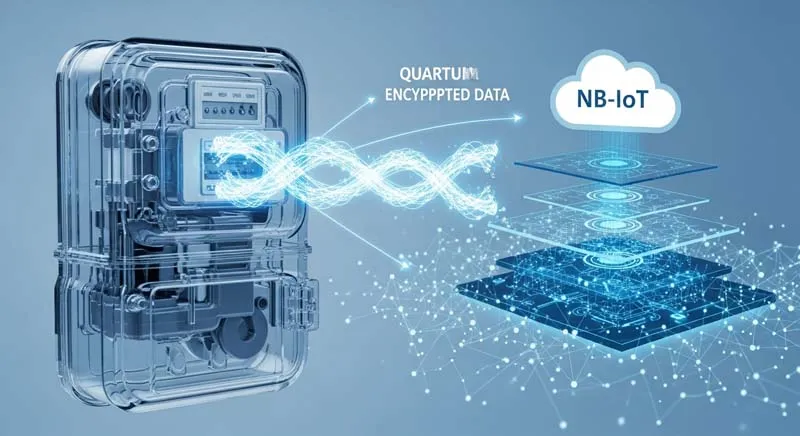
However, NB-IoT mainly solves the connection problem. It helps the device send and receive data efficiently. It does not, by itself, define the highest level of communication trust. That is where quantum security enters the picture.
Quantum security strengthens the communication chain with higher resistance to tampering, stronger identity assurance, and better protection against interception attacks. Therefore, the combination is powerful. NB-IoT makes the meter easy to deploy and manage at scale. Quantum security makes the data path more trustworthy and resilient.
This fusion changes the meaning of the device. A Smart Gas Meter no longer serves only as a digital meter at the edge of the network. Instead, it becomes a secure sensing point within the city’s energy infrastructure. As a result, utilities gain a stronger base for monitoring, warning, scheduling, and service coordination.
What the Pilot Means for Gas Utilities
For gas companies, the value of this pilot goes far beyond meter replacement. First, trusted data improves the quality of abnormal usage detection. If the data stream remains secure and verifiable, utilities can identify suspicious patterns faster and respond with greater confidence.
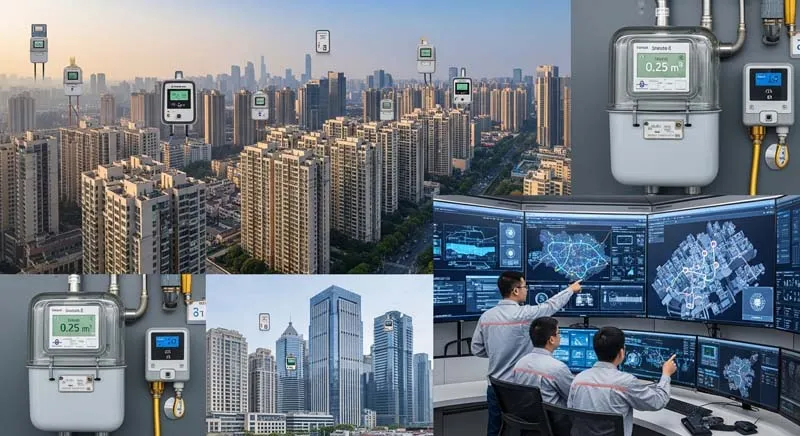
Second, the pilot strengthens operational control in sensitive scenarios. Commercial and industrial users, as well as key communities, require stable supply and dependable monitoring. Therefore, a more secure Smart Gas Meter can help utilities reduce communication risk and improve response efficiency in critical service zones.
Third, reliable data supports better closed-loop management. A modern gas operator must connect meter reading, warning systems, work orders, platform analytics, and customer service into one coordinated process. However, this model only works when the incoming data is trustworthy. Therefore, the pilot supports a broader transition from simple metering management to full risk governance.
In practical terms, this shift is profound. Utilities are moving from “seeing data” to “acting on trusted data.” That difference will shape the next generation of smart gas operations.
What the Pilot Means for Urban Governance
The deeper significance of this project lies in city governance. Urban life now depends on a growing number of connected infrastructure systems. Gas, water, electricity, buildings, and communication networks all generate huge streams of operational data. Therefore, the key issue is no longer how many devices a city connects. The real issue is whether the city can trust the data flowing through those devices.
This is why the Guangzhou pilot matters beyond the gas industry. A Smart Gas Meter with secure communication can support a larger citywide vision. It helps build a trusted data base for public utilities, urban safety, and digital service management. Moreover, the same technical route may expand into water metering, heating systems, and other utility scenarios.
As a result, the project points toward a broader evolution in smart city construction. Cities will not compete only on deployment speed. Instead, they will compete on trusted connectivity, resilient architecture, and coordinated governance. Therefore, the upgrade of the Smart Gas Meter reflects a wider upgrade in urban operating logic.
The Industry Trend Is Becoming Clear
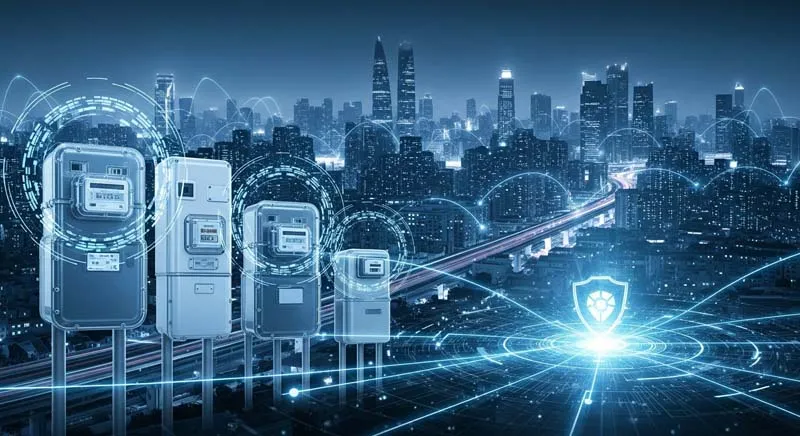
The smart metering market is entering a new phase. In the past, suppliers often competed on hardware price, meter accuracy, and basic communication capability. However, the next round of competition will depend on something much larger. Companies must now integrate device reliability, communication modules, security architecture, software platforms, and engineering delivery.
Therefore, the Smart Gas Meter is becoming part of a full solution rather than a stand-alone product. Utilities no longer buy only equipment. They increasingly need long-term system value, reliable integration, and manageable lifecycle performance. In addition, they need partners who understand both technology and real project execution.
This trend will reshape the market. Vendors that combine smart hardware with secure networking and engineering capability will gain a stronger position. Meanwhile, those that rely only on low-cost device output may face growing pressure.
Challenges Still Remain
Despite its strong promise, the path forward still includes real challenges. First, cost control matters. Advanced security features must fit utility budgets and large-scale deployment plans. Therefore, the industry must balance security value with commercial practicality.
Second, compatibility remains important. Many cities already operate large installed bases of existing meters and platforms. As a result, new secure solutions must integrate smoothly with current systems and transition paths.
Third, large-scale expansion will require stronger standards. If the industry wants broader adoption, it must build clearer technical norms, interface rules, and operational frameworks. Otherwise, successful pilots may remain isolated showcases rather than national benchmarks.
Even so, the overall direction is clear. The industry has already moved beyond simple connectivity. Now it is moving toward trusted connectivity, secure infrastructure, and integrated utility intelligence.
A Trusted Future for Smart Gas Infrastructure
The Guangzhou pilot shows that the Smart Gas Meter is entering a new era. It is no longer just a tool for meter reading. Instead, it is becoming a secure entrance to urban energy data, a frontline node for risk control, and a foundation for smarter service.
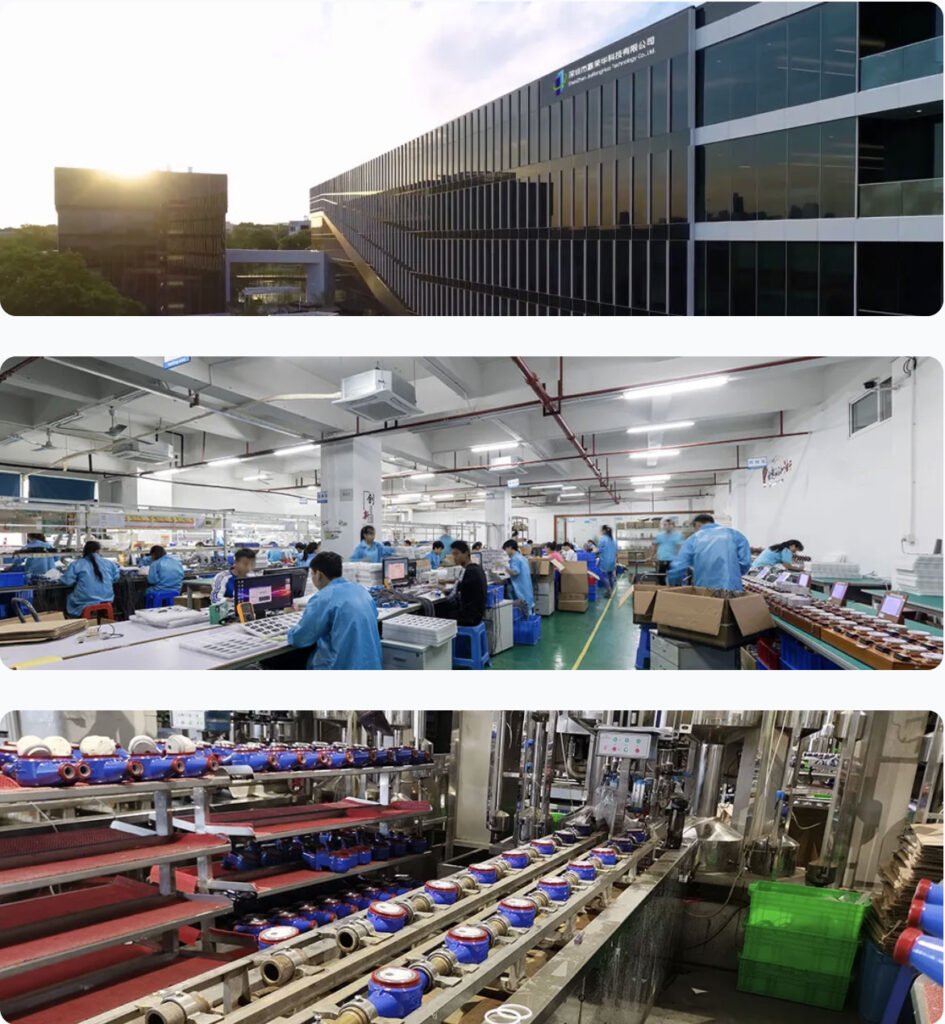
At this turning point, companies with real engineering depth and long-term system capability will play an essential role. Shenzhen HUAXIYI Digital Technology Co., Ltd. has continued to focus on intelligent metering and smart energy solutions. The company works across remote meter reading systems for water, electricity, and gas, while also supporting industrial automation, building intelligence, and communication system delivery. With years of engineering experience and strong upgrade capability for traditional meters, it contributes practical value to the ongoing transformation of urban utilities.
A city depends on countless connected devices, yet it rises on trusted data.
When every Smart Gas Meter becomes secure, the future of urban energy becomes far more certain.