
Modern cities are growing rapidly, and with that growth comes unprecedented demand for clean, safe and reliably delivered water. Utility companies that once relied on manual meter reading and a patchwork of paper records are now facing the limits of that approach: high labor costs, delayed data, poor visibility into leaks and consumption patterns, and mounting pressure to modernize. The NB‑IoT valve‑controlled water meter is not just another instrument; it is the foundation for turning manual processes into digital services, enabling remote control of water flow and laying the data foundation for a smarter utility.
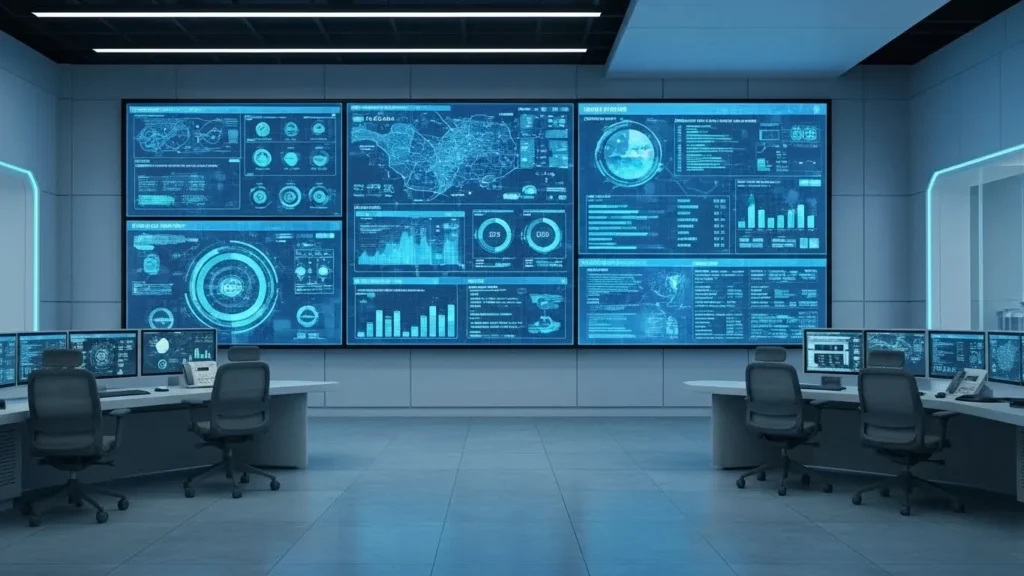
Transforming Manual Meter Reading into a Systemic Mechanism
Legacy water management relied on people physically visiting every property to write down numbers from mechanical dials. This manual method is error‑prone and expensive, and it delivers data weeks or months after consumption occurs. With growing populations and complex distribution networks, manually reading meters becomes a bottleneck that prevents a utility from scaling. Customer complaints about inaccurate bills, hidden leaks, and unfair charges often stem from inconsistent data.
A NB‑IoT smart valve water meter awakens on a schedule, measures flow and status, and transmits the data over a narrow‑band cellular network. That means the “reading” happens automatically, without a person on site. Data arrives in near real time at a central platform where the utility can aggregate, analyze and act. Meter reading becomes a system: always on, always consistent, and always ready for analysis. This shift from manual to automatic is the first step toward fully digital water services.
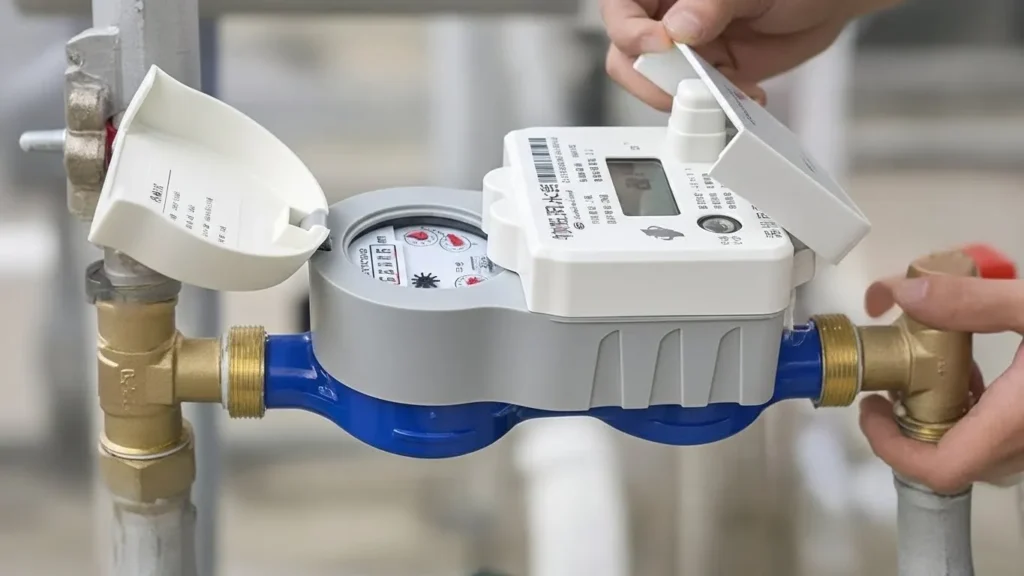
Direct Data Connection Makes Deployment Lighter and Maintenance Easier
One of the barriers to deploying wireless meters at scale has been the need for intermediate hardware like concentrators or repeaters. These add costs, failure points and management complexity. NB‑IoT devices communicate directly with carrier networks; no concentrator is required. The coverage is deep enough to reach basements and vaults, and the power consumption is low enough for multi‑year battery life. For utilities rolling out thousands or hundreds of thousands of meters, eliminating a layer of equipment simplifies installation and reduces total cost of ownership.
Having a direct connection also means data security and integrity are built in. Each meter uses a secure channel to send data back to the utility platform. Administrators can configure how often the meter wakes up to report usage, ensuring a balance between granularity of data and battery longevity. When utilities plan a network upgrade or service expansion, they can rely on the same NB‑IoT network without retrofitting the entire system.
Data as an Operational Asset, Not Just Numbers
Meters used to be simple measuring devices. Now they are sensors that feed operational intelligence. Every reading—volume, flow rate, valve status, battery level—becomes part of a continuous data stream. When aggregated and visualized, these streams show usage trends, reveal unusual patterns that might indicate leaks or tampering, and support decisions about capacity planning and maintenance. For example, if one district uses significantly more water than expected during off‑peak hours, a utility can proactively inspect that zone for leaks.
In addition, real‑time data allows utilities to offer more accurate and transparent billing. Customers can view their consumption patterns and align usage with pricing models. Utilities can design demand‑response programs that encourage conservation during peak hours. Data shifts the conversation from complaints about inaccurate bills to collaborative management of a shared resource.
Remote Valve Control Means Faster Response and Better Service
Beyond reading consumption, NB‑IoT meters often include an integrated valve that can be opened or closed remotely. This capability is invaluable for managing delinquent accounts, performing maintenance, or isolating parts of the network during emergencies. Previously, technicians needed to drive to a site, locate the meter, and manually turn a valve. With remote control, the same action can be triggered from an operations center or even an automated workflow.
When a customer pays an overdue bill online, the system can reopen the valve immediately, restoring service without delay. If a pipe breaks and threatens to flood a building, operators can shut off water to that branch to minimize damage. Remote control shortens the time between problem and solution, improving customer satisfaction and protecting infrastructure.
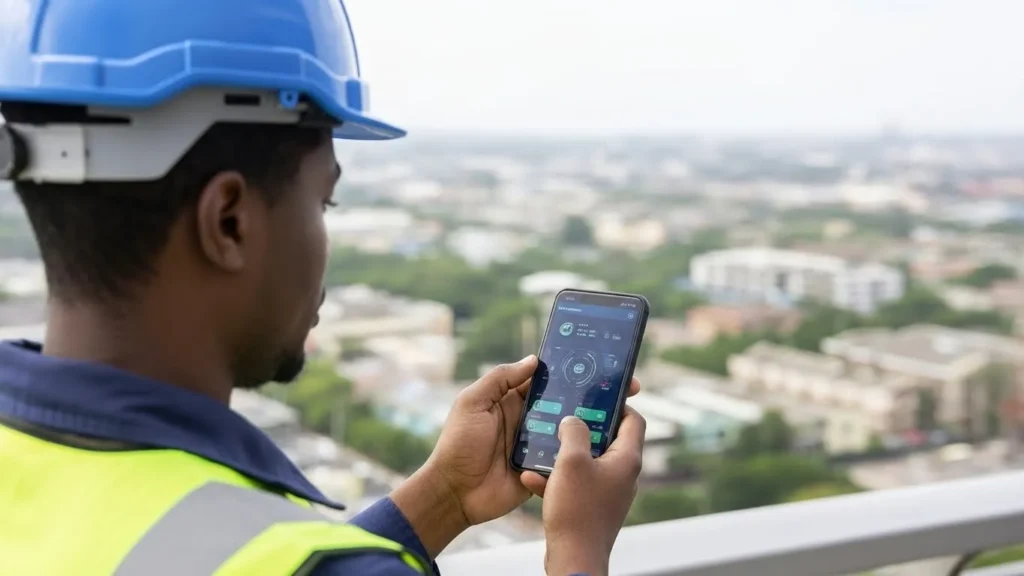
Standards and Reliability for Long‑Term Operation
Water meters are not gadgets to be replaced annually; they must operate reliably for years under varying conditions. The NB‑IoT valve‑controlled meter conforms to industry standards for measurement accuracy and communication. It uses a low‑power architecture and high‑capacity batteries to achieve multi‑year service life. The device stays in a low‑power standby mode, wakes according to a schedule or command to read and transmit, then returns to sleep. This approach maximizes battery life while ensuring the data pipeline remains consistent.
Because the communication happens over licensed cellular networks, utilities benefit from established infrastructure, robust security features and global standards. The meters can be configured to support firmware updates over the air, ensuring that they remain secure and that new features can be added without costly site visits. Reliability is not just about hardware; it is about a system design that anticipates growth, change, and the unexpected.
Why Choose JiaRongHua as Your Long‑Term Partner
Choosing a meter is choosing a long‑term partner for your digital transformation. JiaRongHua has been dedicated to smart metering for nearly fifteen years, combining innovation, quality and global service into a comprehensive offering. Our modern factory covers around 7,000 square meters and is equipped with advanced manufacturing lines that ensure consistent quality and capacity. With more than 80 dedicated research and development professionals, we continuously refine our products to meet emerging standards and customer needs. Over 200 committed employees across R&D, production, sales and support work together to deliver reliable products and responsive service.

Innovation and technology are at the heart of what we do. We invest in NB‑IoT, LoRa, LoRaWAN and other communication technologies, as well as data management platforms, to make sure your meters are future‑proof. Quality assurance is a promise we keep by adhering to international standards and implementing rigorous testing throughout production. Our comprehensive solutions cover not only water meters but also electricity and heat meters, meter reading and management systems, and customer‑specific integrations. Whether you are a municipal utility serving millions or a regional supplier rolling out pilot projects, our global reach and proven expertise will help you implement smart metering with confidence.
When you partner with JiaRongHua, you gain more than a product; you gain a team committed to helping your city or region transition from manual water management to a digital era. We stand ready to support you from planning through deployment and beyond, ensuring that your investment delivers value year after year.