
The real challenges of urban residential water metering lie not in “high peaks” but in “tiny flows”
In the city, water seems abundant but is often hard to account for precisely. Property managers are dragged down by daily meter reading and customer complaints, utility companies struggle with high production–sale differentials, and residents begin to doubt their bills. In many cases the problem is not that people are using more water, but that the metering is fuzzy—night-time drips, slow leaks and low ‑ rate consumption are ignored, and small errors accumulate day after day until they become disputes and extra cost.
As urban governance moves toward fine ‑ grained management, the basic logic of residential water metering must be upgraded. It is no longer enough for a meter to turn when water flows; it must ensure that every drop is counted accurately, reliably and for the long term. This is where the volumetric water meter brings its value to the residential sector.
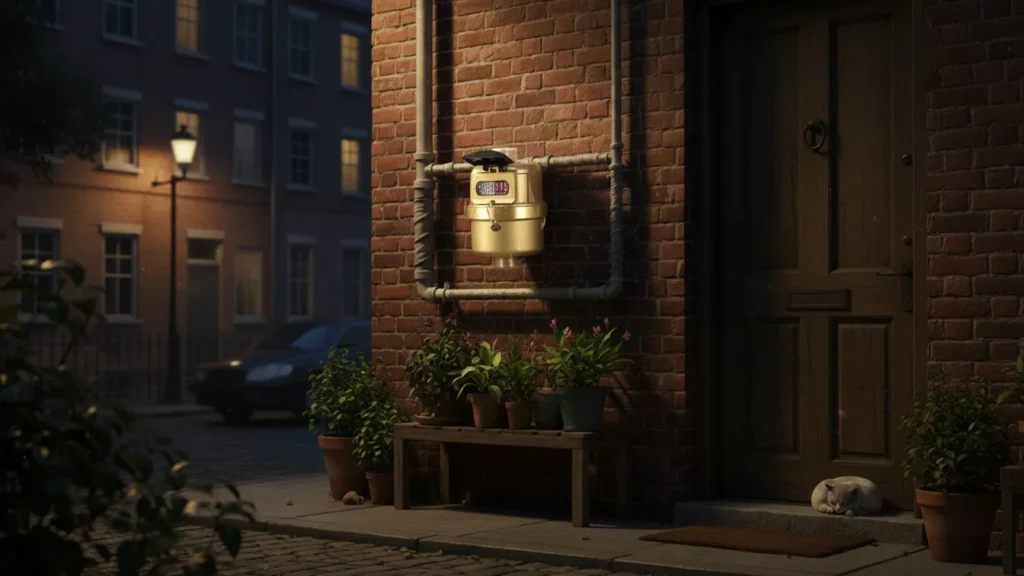
How a volumetric water meter turns “invisible water losses” into “visible data”
The first advantage of the volumetric water meter is its sensitivity to very low flow rates. With a start flow of 2 L/h or less, it records dripping taps, slow seeping and light continuous use that conventional meters miss. For the utility, these tiny flows being counted mean reduced non‑revenue water; for the property manager, the metering comes closer to actual consumption and provides a firmer basis for explanation; for residents, the bill shifts from fuzzy estimation back to transparent and trustworthy numbers.
Accuracy must also be stable, because a meter that is precise only in the short term does not solve disputes in the long term. This product meets ISO 4064 Class C / R160 standards, covering the flow ranges typical in residential use. More importantly, it extends “accurate today” into “reliable for years”, so that buildings can maintain the same metering logic over a long life cycle and avoid errors building up into arguments.
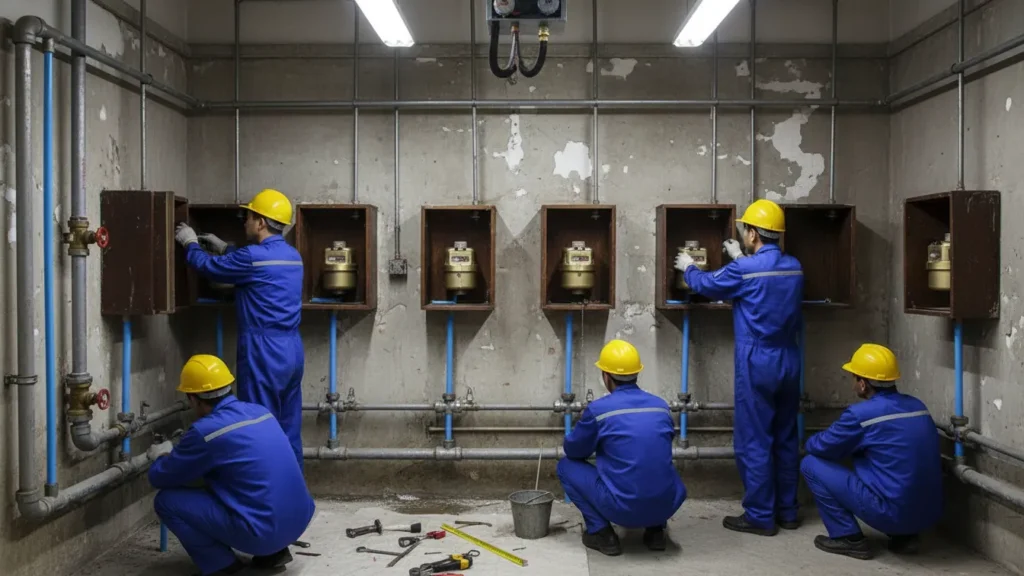
In old neighbourhoods, installation is the biggest fear; the volumetric water meter makes renovation easier
In renovation projects for older neighbourhoods, the choice of water meter often determines the efficiency of the project. The volumetric water meter supports horizontal, vertical and inclined installation, making it friendly to on-site conditions. Installers do not need to twist pipes to find a level; the project schedule becomes more controllable and renovation costs easier to manage.
At the same time, the dial uses a sealed liquid to keep readings clear over many years. For property managers this translates into higher meter ‑ reading efficiency and fewer rechecks due to blurred numbers; for residents, the clear display reduces misunderstanding and makes the management experience smoother.
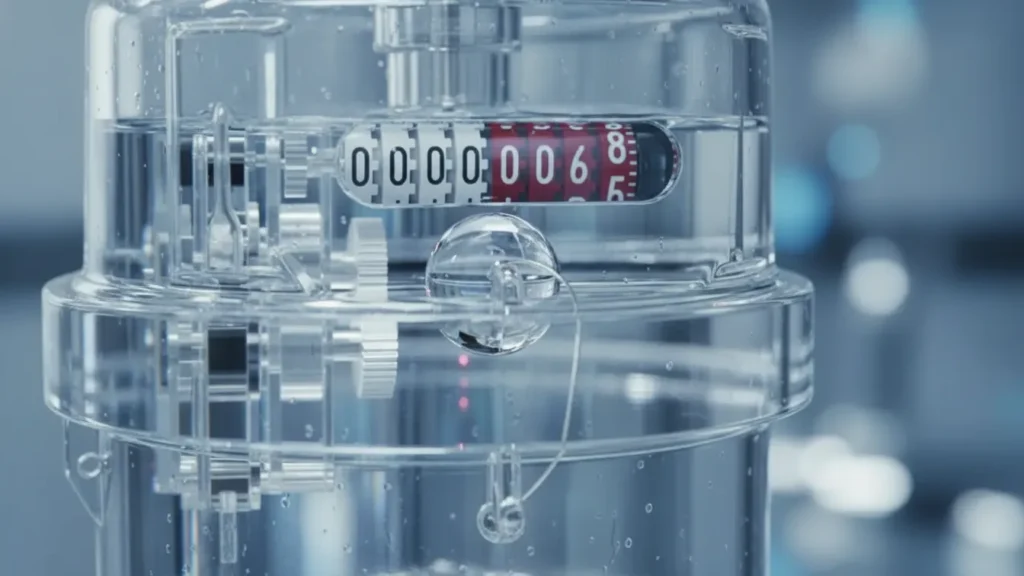
From a “measurement tool” to the foundation of trust, what a good water meter brings
When a meter can capture micro ‑ flows precisely, it delivers more than an accurate number; it creates order in water management. Utilities can more easily lower the production‑sale gap, property managers can reduce complaints and disputes, and residents trust their charges. Over time, the relationships inside a community become more stable, and these hidden benefits often far outweigh the cost of replacing meters.
Applicable scenarios and selection advice
Whether in new residential developments, in water supply renovation projects for old neighbourhoods, or in apartments and affordable housing, the volumetric water meter provides stable and explainable performance. If a project plans to upgrade to smart water services, the optional pulse output reserves a channel for future data connectivity, so “good to use now” and “expandable in the future” can be achieved at the same time.
In short, as cities move toward precise water management, the water meter worth choosing is the one that counts tiny flows clearly, maintains long ‑ term stability and keeps installation and maintenance costs down. The volumetric water meter is designed for exactly that purpose.