
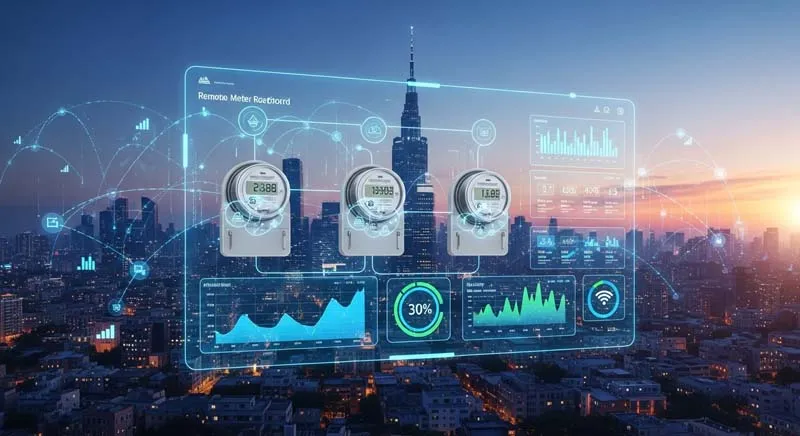
Remote Meter Reading & Energy Monitoring is rapidly becoming one of the most important pillars of China’s smart energy transformation. Driven by the national dual-carbon strategy, energy management is shifting from rough statistics to precise perception, and from manual operations to real-time digital systems. As a result, this market is entering a sustained high-growth phase with strong long-term certainty.
Policy Momentum and Market Acceleration
First of all, the “carbon peak and carbon neutrality” goals have fundamentally changed how energy is managed. Governments, industrial parks, and enterprises now require energy data that is measurable, traceable, and auditable. Therefore, traditional manual meter reading methods can no longer meet regulatory and management demands.
According to industry research, China’s Remote Meter Reading & Energy Monitoring market is expected to maintain a compound annual growth rate of 15.3% by 2026. This growth is not accidental. On the contrary, it results from the combined effects of policy enforcement, rising energy costs, and digital transformation across industries. As energy prices fluctuate, enterprises increasingly rely on accurate data to reduce waste and optimize consumption.
From Basic Meter Reading to Reliable Energy Data
In the early stage, remote meter reading focused mainly on replacing manual labor. However, today’s Remote Meter Reading & Energy Monitoring systems emphasize data accuracy, stability, and long-term reliability. Industrial-grade hardware now plays a central role in this evolution.
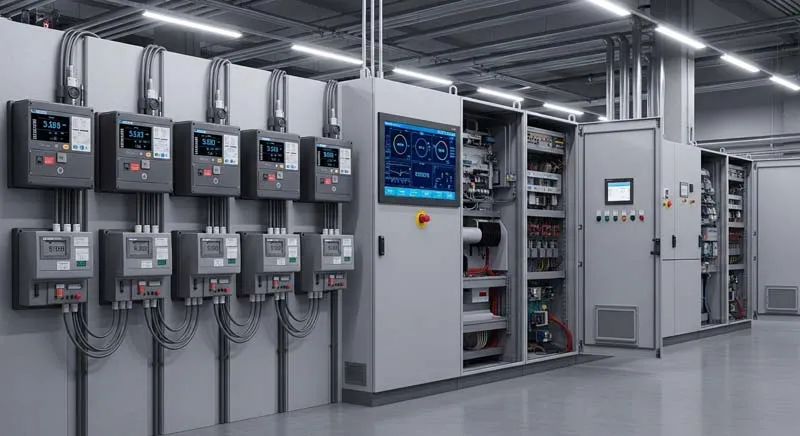
Modern devices operate reliably in complex environments, including strong electromagnetic fields, high humidity, and continuous industrial workloads. At the same time, advanced calibration algorithms and multi-layer verification mechanisms allow data accuracy to reach 99.9%. As a result, energy data becomes a trustworthy digital asset rather than a simple reference.
Moreover, communication technologies such as NB-IoT, 4G, and wired networks work together to ensure continuous data transmission. Consequently, large-scale deployment across cities and industrial zones has become technically feasible.
Integration Creates Real Management Value
While remote meter reading answers the question of “where data comes from,” energy monitoring explains “how data creates value.” Therefore, the integration of these two functions defines the real meaning of Remote Meter Reading & Energy Monitoring.
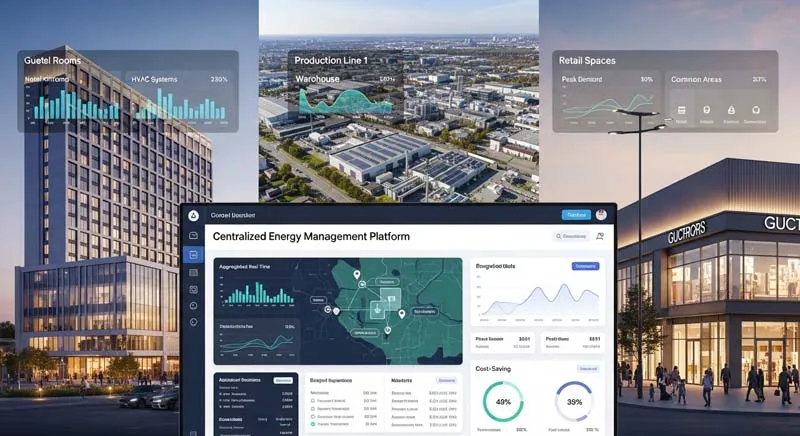
Through unified platforms, water, electricity, and gas data are collected and analyzed together. Then, managers gain real-time visualization, abnormal consumption alerts, and energy efficiency comparisons. In addition, historical data supports predictive analysis and long-term optimization planning.
As a result, energy management evolves from after-the-fact reporting to proactive control. This shift significantly improves operational efficiency and decision quality.
Expanding Application Scenarios Across Industries
Today, Remote Meter Reading & Energy Monitoring is widely adopted across multiple sectors. In hotels and commercial complexes, it helps operators analyze energy usage by time and area, thereby reducing operational costs. Meanwhile, in industrial parks and manufacturing facilities, energy consumption can be tracked down to workshops or individual equipment, which supports precise efficiency benchmarking.
Furthermore, public buildings such as hospitals, schools, and government facilities rely on these systems to meet compliance and audit requirements. Although scenarios differ, the core demands remain consistent: stable operation, accurate data, and scalable architecture.
Because of these shared needs, the market continues to expand steadily rather than cyclically.
Industry Trends Shaping the Future
Looking ahead, several trends will shape the next stage of Remote Meter Reading & Energy Monitoring development. First, hardware will continue to improve in precision, durability, and energy efficiency. Second, software platforms will integrate more deeply with building management systems, energy management systems, and carbon accounting platforms.
In addition, solutions will become increasingly industry-specific. Instead of generic products, vendors will offer tailored systems for manufacturing, real estate, public utilities, and smart cities. Therefore, value creation will shift from equipment sales to long-term service and system integration.
A Trusted Partner in Smart Energy Development
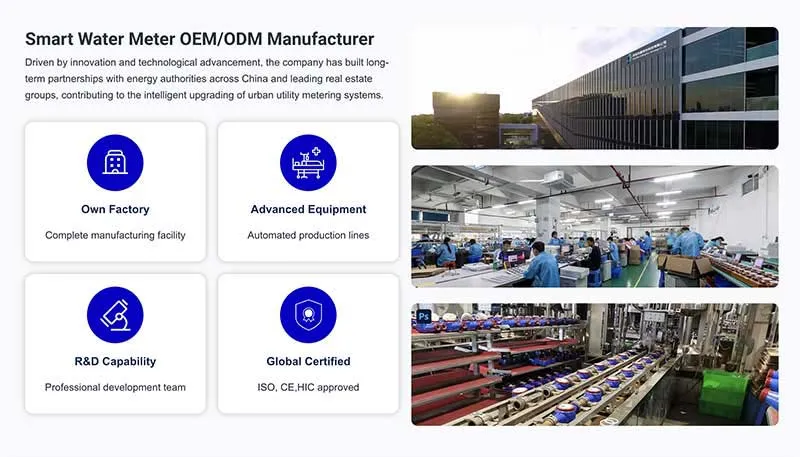
Within this rapidly evolving landscape, Shenzhen HUAXIYI Digital Technology Co., Ltd. has built long-term expertise in intelligent metering and smart energy systems. The company focuses on Remote Meter Reading & Energy Monitoring for water, electricity, and gas, while also delivering industrial automation, building intelligence, and communication solutions.
Over the years, HUAXIYI has developed mature capabilities to upgrade traditional meters into multi-signal intelligent devices. Consequently, it provides integrated solutions covering equipment, systems, and engineering delivery. Through long-term cooperation with energy authorities and leading real estate groups, the company has contributed to the intelligent upgrading of urban utilities.
Rooted in Guangdong, expanding nationwide, and moving toward global markets, HUAXIYI emphasizes reliability, engineering standards, and sustainable service. As a result, it has become a long-term partner trusted by clients across industries.
Conclusion: Data Builds the Foundation of Smart Energy
In summary, Remote Meter Reading & Energy Monitoring is not just a technological upgrade. Instead, it represents a fundamental shift toward transparent, data-driven, and sustainable energy management. When energy data becomes accurate and actionable, smart energy systems gain real meaning.
Ultimately, technology matters less than trust. Only reliable data, stable systems, and responsible partners can support the long journey toward a smarter and greener energy future.