
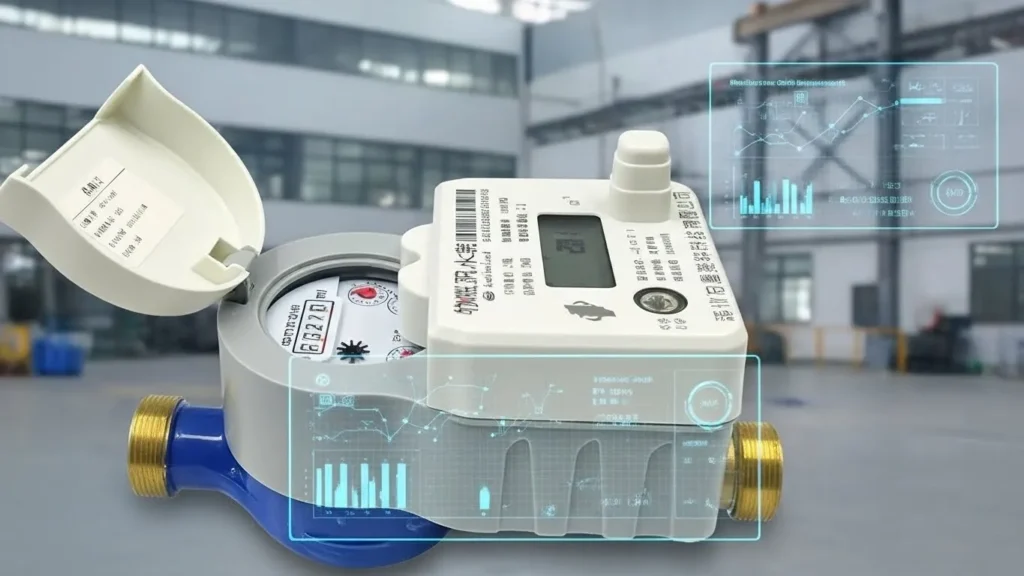
Large industrial parks and commercial complexes are hubs of economic activity. They house multiple tenants, each with different water consumption patterns and contractual arrangements. Managing water in such settings is far more than reading a single meter: it involves fair sub‑metering, timely billing, leak detection, and energy optimization. Traditional manual metering and infrequent readings lead to inefficiencies and disputes. NB‑IoT valve‑controlled water meters offer a way to turn water consumption into clear, actionable data, enabling operators to manage costs, improve transparency, and support sustainability programs.
When Water Management Gets Complex: Why a New Approach Is Needed
In a multi‑tenant environment, a single main meter cannot tell you how much each tenant consumes. Without accurate sub‑metering, tenants may be billed based on estimates, leading to complaints and potentially unfair cost allocation. Manual reading of individual meters is labor‑intensive and often delayed, causing billing cycles to stretch and cash flow to slow. Because data arrives late, leaks or abnormal consumption can persist for weeks before they are discovered. In environments where water usage directly affects production quality or safety, delayed responses can be costly.
NB‑IoT smart valve water meters change the fundamentals of water management. Each meter is a connected sensor that measures flow and status and sends the information directly to a central platform on a defined schedule. This continuous data stream gives operators real‑time visibility into consumption patterns. They can see which buildings or tenants are using more water than expected, compare usage across time, and detect anomalies immediately.
Sub‑Metering Clarity: Meters as Data Gateways
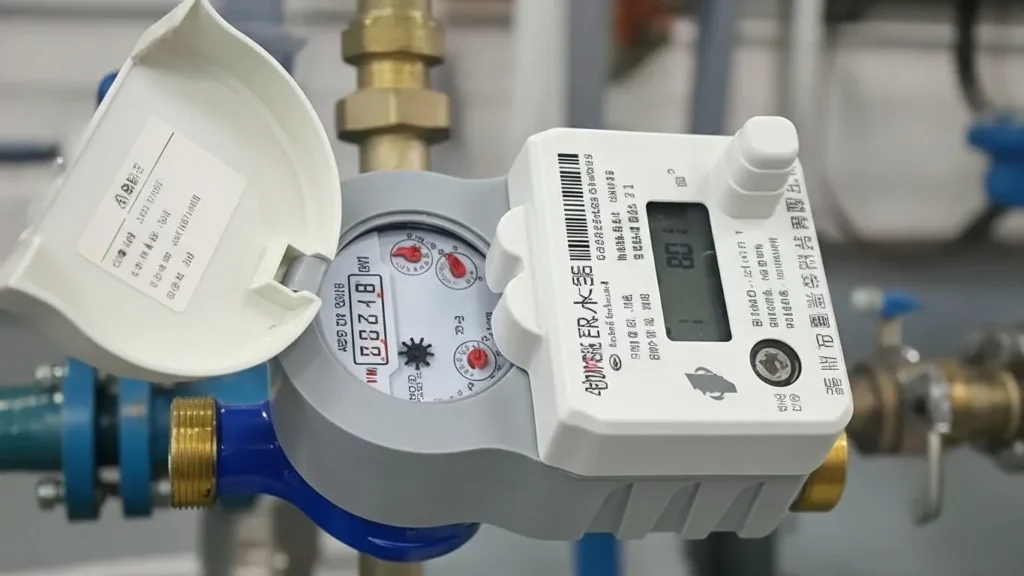
By equipping each tenant space or building with its own NB‑IoT meter, park operators transform water measurement from a blunt instrument into a precise tool. Each meter sends data to the platform without the need for intermediate devices, reducing infrastructure complexity. The platform aggregates consumption by tenant or area, calculates bills accurately, and provides transparent reports. Tenants can access their own data, fostering trust and enabling them to manage their own consumption. Clear sub‑metering eliminates guesswork and disputes, allowing everyone to focus on core business activities.
Turning Water Data into Energy Management and Cost Control
Water consumption is often linked to energy use, especially in facilities that heat, cool or treat water. When water data is continuously available, operators can integrate it with other utility data to build comprehensive energy management dashboards. Peaks in water usage can be correlated with production schedules or HVAC operations. If anomalies appear, maintenance teams can investigate before costs rise. With accurate data, incentive programs for conservation or off‑peak usage become possible, aligning tenant behavior with sustainability goals.
Remote Valve Control: Operational Agility
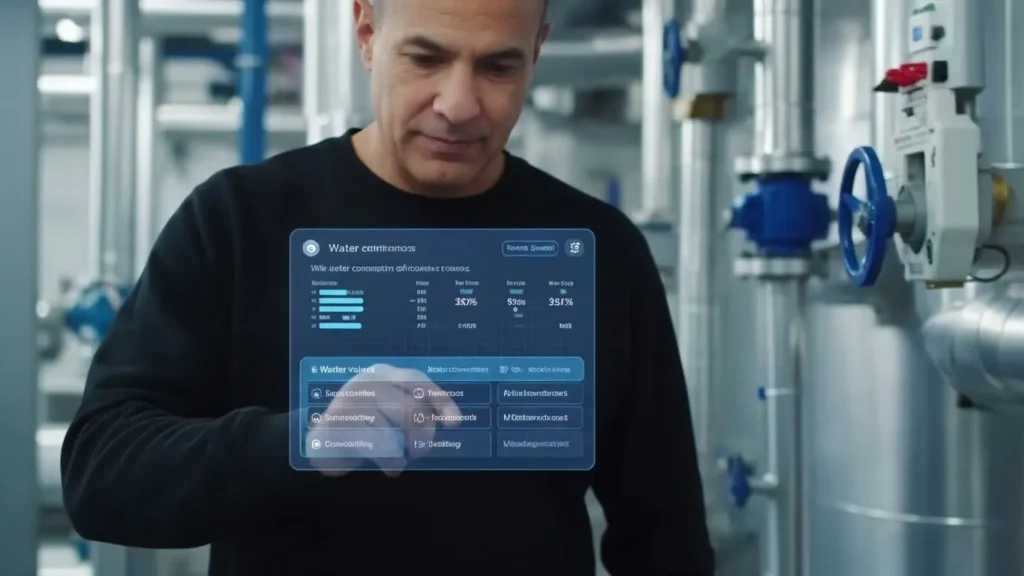
An NB‑IoT meter with an integrated valve enables operators to control water flow remotely. In a park or complex, this capability supports a range of operational needs: isolating a unit for maintenance, shutting off service to a non‑paying tenant, or quickly responding to a leak. Without remote control, personnel must travel across large facilities to turn valves by hand, delaying response time. With remote control, actions can be taken instantly from a central console or automated based on rules.
Lightweight Deployment for Large‑Scale Rollouts
Parks and commercial complexes often span large areas and have hundreds or thousands of meters. The deployment overhead of additional networking equipment can become a barrier. NB‑IoT meters connect directly to cellular networks, so there is no need for local concentrators or repeaters. Installation is similar to traditional meters, but with the added benefit of wireless connectivity. Because the devices operate on low power, battery life extends over multiple years, reducing maintenance frequency.
Why Choose JiaRongHua for Your Park’s Digital Water Transformation
Selecting a technology partner for a high‑value, long‑term infrastructure project requires confidence in their experience and capabilities. JiaRongHua brings around fifteen years of experience in smart metering. Our 7,000 square meter production facility uses modern manufacturing lines to ensure consistency and scale. More than 80 research and development engineers focus on advancing meter design, communication protocols and platform integration. Over 200 employees across R&D, manufacturing, sales and support provide end‑to‑end service.

We invest in innovation and technology, supporting communication standards such as NB‑IoT, 4G, LoRa, LoRaWAN and others. Quality assurance is central to our operations, with certifications and rigorous testing processes that guarantee accuracy and reliability. Our comprehensive solutions extend beyond water meters to electricity and heat meters, as well as reading and management systems. With global reach, we support deployments across different regulatory environments, helping clients implement smart metering at scale. By choosing JiaRongHua, park operators gain a partner who understands the unique challenges of complex environments and provides reliable products and services that make water management transparent, efficient and sustainable.